

On this page
Choosing the perfect designer-inspired bracelet is more than an aesthetic decision; it is a commitment to a specific care, cleaning, and storage regimen. For Andy Chan readers seeking to build a timeless jewelry collection, understanding how a bracelet's physical design, metal composition, and gemstone settings influence its daily wear-and-tear is the key to preserving its beauty. By connecting your initial selection criteria directly to a proactive maintenance plan, you can ensure that your favored pieces—whether inspired by classic mid-century minimalism or intricate floral motifs—remain flawless for years to come.
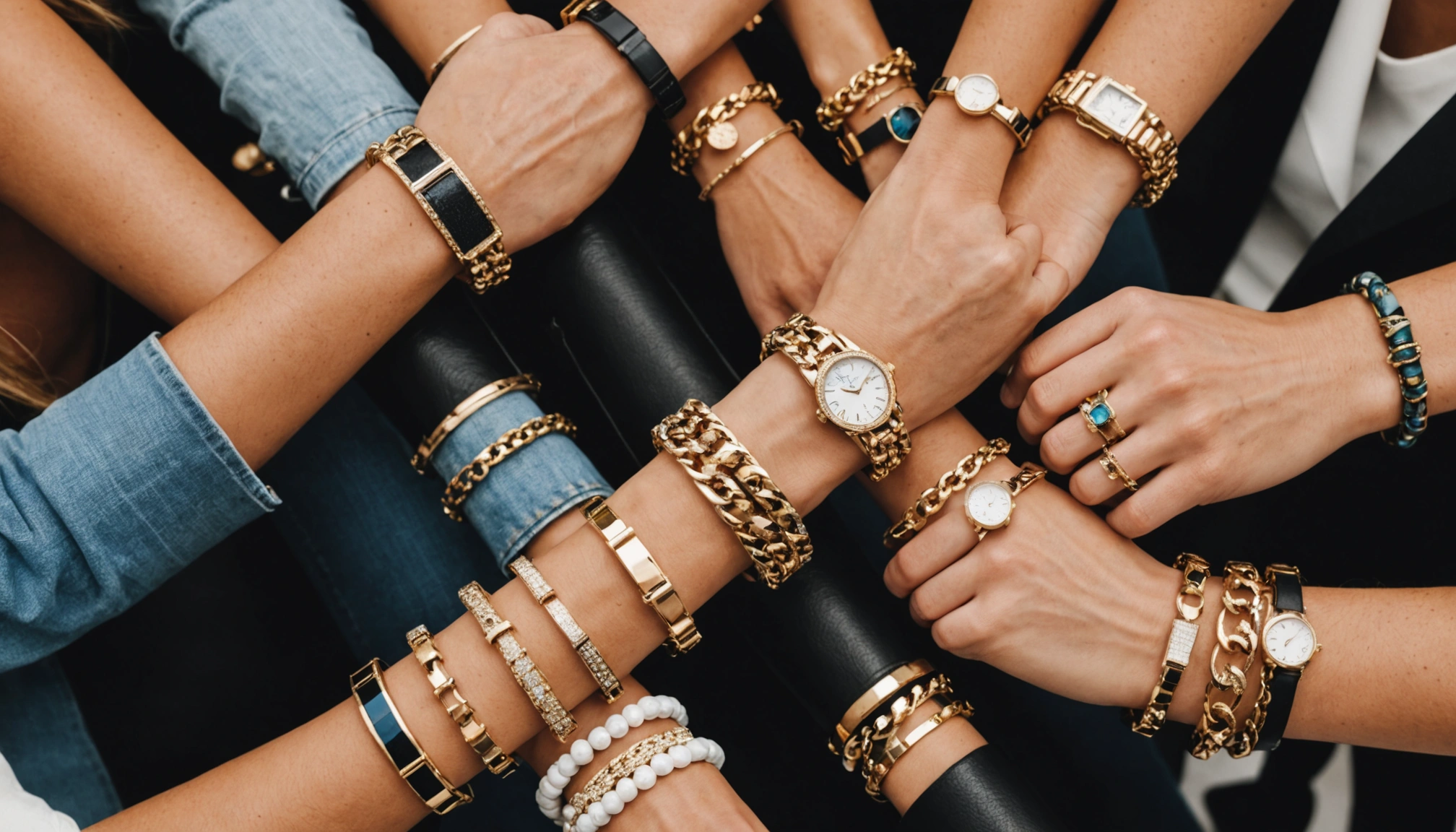
The Ultimate Guide to Designer-Inspired Bracelets: The Geometry of Wear: Rigid Bangles vs. Flexible Chains
The structural form of a bracelet dictates its vulnerability to impact, scratching, and structural fatigue. Rigid bangles sit differently on the wrist compared to drape-style chain bracelets, demanding distinct wear habits and storage techniques.
The Screw Motif and Rigid Ovals
The iconic screw motif design, famously introduced in New York in 1969, defines a highly structured, oval-shaped bangle that hugs the wrist closely. Because these pieces are secured snugly and designed for continuous wear, they are highly susceptible to surface scuffs and micro-abrasions from daily contact with hard surfaces. When selecting a screw-motif inspired bangle, owners must plan for regular surface polishing. Storage requires dedicated, contoured slots or individual fabric wraps to prevent the rigid oval from warping or scratching adjacent items.
The Nail Silhouette and Asymmetric Tension
Another legendary design from the 1970s transforms the humble nail into a continuous, wrapping silhouette. This geometry relies on a precise balance of tension and a bypass design where the nail head and point overlap. Unlike symmetrical bangles, this asymmetric structure has distinct catch points that can snag on fine clothing. When cleaning these pieces, dust and skin oils easily collect in the crevices beneath the nail head and tip. Owners must use detailed, gentle brushing to clear these areas, avoiding heavy pressure that could compromise the bracelet's spring tension.
Motif-Based Styles and Delicate Settings
Multi-motif chain bracelets offer an entirely different aesthetic and structural profile. These designs require careful handling to prevent tangles and protect delicate stone settings.
Clover-Inspired Motifs and Chain Dynamics
First popularized in 1968 with a twenty-motif long necklace, the four-leaf clover design has become a staple of elegant wristwear. Modern inspired collections utilize various configurations, including Vintage styles with equal-sized beaded borders, Magic styles featuring asymmetrical mixed sizes, Sweet miniature motifs, and Lucky nature-themed charms. Because these bracelets feature multiple delicate motifs linked by fine chains, they are highly prone to tangling. If stored loosely in a drawer, the fine links can knot, leading to micro-stretches in the metal. Always store chain-link motif bracelets flat, ideally fastened, in individual padded compartments.
Inlays and Gemstone Care
Many clover-inspired bracelets feature beautiful organic or mineral inlays, such as mother-of-pearl, carnelian, or malachite. These materials are significantly softer than diamonds and highly sensitive to environmental factors. GIA care guidance notes that chemicals can easily damage or discolor precious metals and harm colored gemstones. For example, acidic sweat, perfumes, and hairsprays can dull the lustrous surface of a mother-of-pearl inlay. Selecting an inlay style means committing to a "last on, first off" rule to avoid chemical contact entirely.
Decoding Metal Standards for Longevity
Understanding the exact composition of your bracelet is essential for choosing the correct cleaning agents and predicting how the metal will age.
Navigating Karat and Plating Labels
According to U.S. jewelry marketing guidance outlined in 16 CFR Part 23, terms like "gold," "sterling silver," and "vermeil" carry strict legal definitions to protect consumers from misrepresentation. Unqualified "gold" refers strictly to fine 24-karat gold, while any alloy below that must specify its karat fineness. Sterling silver must contain at least 925 parts per 1,000 pure silver. Vermeil denotes a specific high-quality plating standard: a sterling silver base coated with gold of at least 10-karat fineness and a minimum thickness of 2.5 microns. When evaluating designer-inspired pieces, checking these material standards helps you understand how the outer layer will respond to friction and polish.
Oxidation and Tarnish Prevention
Sterling silver and low-thickness gold-plated alloys naturally react with sulfur and moisture in the air, leading to tarnish. Vermeil pieces offer greater durability due to the thick gold layer, but they still require delicate handling to avoid wearing down the gold over time. Abrasive polishing cloths can strip away thin plating, exposing the base metal beneath. By selecting metals with clear, verified standards, you can tailor your cleaning frequency to match the physical limits of the material.
Preventative Maintenance and Daily Habits
Developing a daily care routine is the most effective way to extend the lifespan of your jewelry. Small changes in how you handle your bracelets can prevent catastrophic damage.
Chemical Hazards and Environmental Exposure
Many owners do not realize that common household substances can permanently alter the structural integrity of jewelry. GIA care guidance warns that chlorine bleach can actively pit or damage gold alloys, weakening clasps and solder points. Swimming pools, hot tubs, and even heavy cleaning products should always be avoided while wearing your bracelets. Similarly, hand sanitizers containing high concentrations of alcohol can dry out organic gemstones and degrade protective coatings on plated metals.
Safe and Effective Cleaning Techniques
For most designer-inspired bracelets, especially those featuring colored gemstones or mixed materials, professional-grade ultrasonic cleaners pose a high risk of loosening settings or fracturing stones. Instead, rely on the safe, GIA-recommended method:
- Prepare a bowl of lukewarm water mixed with a few drops of mild, additive-free dish soap.
- Submerge the bracelet briefly to loosen accumulated oils and dust.
- Use a soft-bristled baby toothbrush to gently clean around clasps, hinges, and behind stone settings.
- Rinse thoroughly in clean, warm water and dry completely with a lint-free microfiber cloth before storing.
Structural Storage Solutions
How you store your bracelets when they are not in use is just as important as how you clean them. Proper storage prevents physical impact and chemical degradation.
Anti-Tarnish and Moisture Control
Because moisture accelerates the oxidation of sterling silver and base alloys, storing bracelets in a humid bathroom is a recipe for rapid tarnishing. Implement anti-tarnish storage solutions, such as lining your jewelry box with tarnish-resistant felt or placing silica gel packets inside the drawers. For silver-based pieces, airtight zip-top bags can drastically reduce exposure to atmospheric sulfur.
Padded Separation
Harder metals and gemstones will easily scratch softer metals. A diamond-accented bangle stored next to a polished gold-plated chain will leave visible scuffs. To prevent this, assign a dedicated, padded slot or a soft fabric pouch to each bracelet. Keeping your rigid bangles, delicate chains, and gemstone-inlaid pieces isolated ensures they remain as pristine as the day you added them to your collection.


